Optimal Timing for Windows Installations
Understanding the optimal timing for Windows installations can enhance performance and minimize disruptions. Factors such as system updates, hardware availability, and seasonal workload fluctuations influence the best periods for implementation.
Spring and fall typically offer lower demand periods, reducing scheduling conflicts and allowing for dedicated installation time.
Aligning installations with hardware procurement cycles ensures compatibility and reduces delays.
Timing installations around major Windows updates can optimize performance and security.
Planning installations before busy project periods helps ensure minimal workflow disruption.

Technicians performing system upgrades in a professional environment.

New hardware components being prepared for Windows installation.

Configured computers ready for deployment after Windows setup.
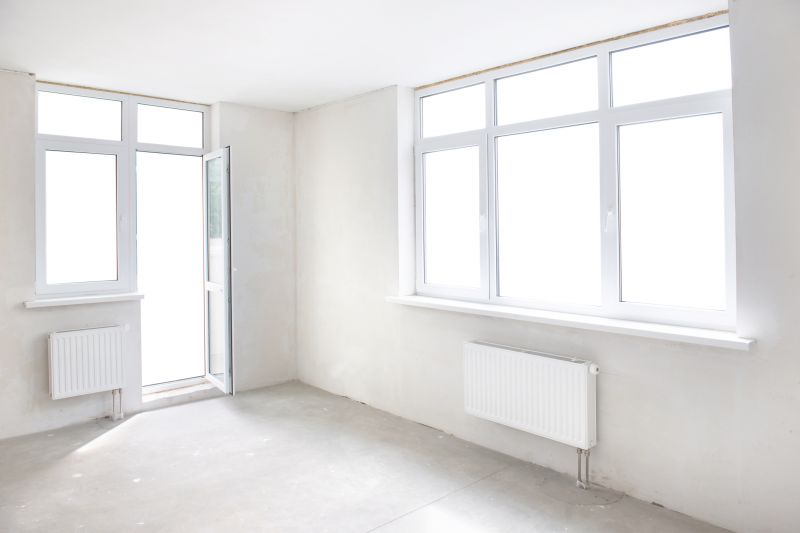
Ways to make Windows Installations work in tight or awkward layouts.

Popular materials for Windows Installations and why they hold up over time.

Simple add-ons that improve Windows Installations without blowing the budget.
| Timing Consideration | Details |
|---|---|
| Seasonal Timing | Spring and fall are ideal for installations due to lower demand. |
| Hardware Procurement | Coordinate with hardware delivery schedules for compatibility. |
| Update Cycles | Schedule around major Windows updates for optimal results. |
| Workload Planning | Plan installations during low business activity periods. |
| Maintenance Scheduling | Use existing maintenance windows to minimize downtime. |
| Project Deadlines | Align installations before peak project periods. |
| Environmental Factors | Avoid extreme weather conditions that could delay work. |
| Staff Availability | Ensure skilled technicians are available during chosen times. |
Windows installations are a critical component of maintaining system security, performance, and compatibility. Proper planning ensures that updates and upgrades are seamlessly integrated, reducing potential downtime. Statistics indicate that scheduling during off-peak periods can decrease installation time by up to 30% and improve user satisfaction. Additionally, coordinated timing with hardware upgrades can extend system lifespan and enhance operational efficiency.

Technicians performing Windows upgrades efficiently.

New components installed to support the latest Windows OS.

Post-installation testing to ensure stability and performance.

Training sessions for staff on new Windows features.
Interested in scheduling a Windows installation? Filling out the contact form can facilitate planning at a convenient time. Proper timing and preparation contribute significantly to a smooth transition, ensuring systems operate efficiently and securely in the long term.